
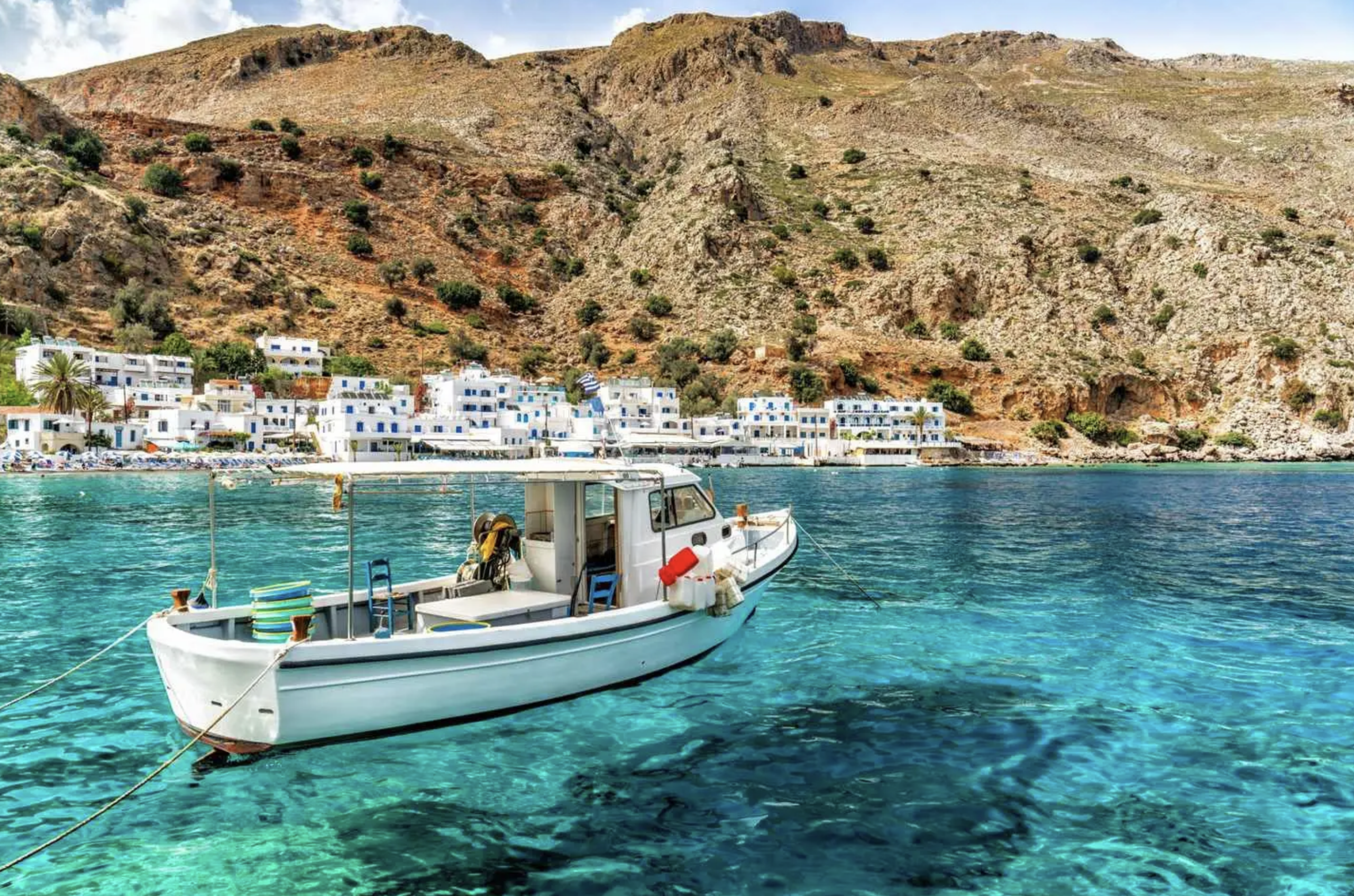
Nestled in the azure waters of the Libyan Sea, just 50 km south of Crete, Gavdos stands as the southernmost island in Greece and the entire continent of Europe. This tiny, unspoiled gem—covering only about 30-36 square kilometers—offers a rare escape from mass tourism, where wild nature, crystal-clear waters, and ancient myths converge at the edge of the continent.
If you’re dreaming of a Greek island adventure that’s off the beaten path, Gavdos delivers an authentic, slow-paced experience. With fewer than 150 permanent residents (swelling to thousands of campers and visitors in summer), it feels like stepping into a timeless Mediterranean idyll.
Whether you’re a beach lover, hiker, or seeker of solitude, this southernmost point of Europe promises unforgettable moments under the sun.
Where Is Gavdos? Geography and Location
Gavdos lies approximately 50 km south of Crete’s southern coast and around 258 km from the North African shores. Administratively part of the Chania regional unit in Crete, the island has a triangular shape, stretching about 10 km long and 5 km wide. Its position makes it closer to Libya than to Athens, giving it a unique subtropical vibe with a borderline hot semi-arid climate—perfect for extended beach seasons.
The southernmost point of Europe is Cape Tripiti (or Kap Tripiti), marked by dramatic cliffs, a natural rock arch, and a symbolic oversized chair sculpture known as the “Throne of Europe” or linked to Odysseus legends. Standing here, with nothing but endless sea to the south, feels like reaching the horizon’s edge. The island’s capital is the small village of Kastri, while the southernmost inhabited settlement is Vatsiana. Other key spots include the port at Karave, and beach areas like Sarakiniko and Fokia with Korfos beach.
A Glimpse into Gavdos History and Mythology
Gavdos boasts deep historical roots. Ancient sources identify it possibly as the mythical island of Ogygia, where the nymph Calypso held Odysseus captive for seven years in Homer’s Odyssey. Juniper forests here once supplied precious oil for ancient Egyptian mummification—linking this remote isle to pharaohs like King Tut. Over centuries, it served as a refuge for pirates (including Barbarossa) and later saw limited settlement.
Today, its isolation has preserved a raw, authentic character that larger Greek islands have lost. The island even has its own radio station, Gavdos FM, broadcasting local vibes to residents and visitors alike.
Top Things to Do on Gavdos: Beaches, Hiking, and More
Gavdos shines brightest through its pristine natural attractions. Here are the highlights for your southernmost Greek island getaway:
- Cape Tripiti: Hike or boat to Europe’s southernmost point. The dramatic cliffs, rock formations, and panoramic Libyan Sea views make it a must-visit. The symbolic throne offers the perfect Instagram-worthy (or soul-searching) photo op.
- Agios Ioannis Beach (Ai Giannis): Often ranked among the world’s most beautiful beaches (once #2 by Discovery Channel), this exotic stretch features turquoise waters, soft sand, and a sense of infinite tranquility. It’s a favorite for free camping and disconnection.
- Sarakiniko Beach: The most accessible and lively option, with golden sands, tavernas, a mini-market, bakery, and even an open-air cinema. Ideal for swimming, people-watching (in a low-key way), or enjoying live music.
- Potamos Beach: Many call this the island’s most stunning spot, with dramatic scenery and crystal waters perfect for a refreshing dip.
- Other Beaches: Explore Korfos, Tripiti Beach, Lavrakas, and more secluded coves. Many are clothing-optional in true bohemian spirit.
Beyond the shore, hiking is a highlight. Trails wind through dense cedar, pine, and juniper forests—surprisingly green for such a southern location. Routes from Sarakiniko to Agios Ioannis or to the lighthouse offer varied difficulty levels and breathtaking vistas.
Visit the Gavdos Lighthouse for sweeping views, wander the charming alleys of Kastri for a taste of village life, or simply relax with fresh seafood and local Cretan specialties at beachside tavernas.
How to Get to Gavdos: Ferry from CreteNo airport means the only access is by sea. Regular ferries depart from Crete’s southern ports:
- Chora Sfakion (Sfakia) — Most frequent and popular route (about 2-3 hours).
- Paleochora — Reliable connection, often from Chania area.
- Occasional service from other spots like Sougia.
Travel time varies (2-4 hours depending on route and weather). Schedules are seasonal—more frequent in summer—and can be affected by winds, so check ahead. The journey itself is part of the adventure, crossing the Libyan Sea toward Europe’s edge.
Where to Stay and Practical Tips for Visiting Gavdos
Accommodations are limited and simple, reflecting the island’s ethos: rooms to let in Kastri, eco-friendly options, or beachside spots near Sarakiniko. Many visitors choose free camping at beaches like Sarakiniko or Agios Ioannis (note: officially restricted but widely practiced—respect the environment).Bring cash (limited ATMs), pack light for hikes, and embrace slow travel. There’s a small clinic in Kastri, basic shops, and a police station. Best time to visit: May-June or September-October for milder crowds and perfect weather. Summers buzz with campers, while off-season feels like true solitude.Gavdos has no luxury resorts or nightlife—intentionally. It’s a place for reading, swimming, hiking, and reconnecting with nature.
Why Gavdos Should Be on Your Greece Bucket List
In a country famous for iconic islands like Santorini and Mykonos, Gavdos offers something rarer: Europe’s last true frontier of unspoiled Mediterranean beauty. As the southernmost island in Greece, it delivers dramatic landscapes, mythical allure, world-class beaches, and a peaceful vibe that’s increasingly hard to find.Whether you’re chasing the southernmost point of Europe at Cape Tripiti, lounging on Agios Ioannis, or simply letting the Libyan Sea wash away your worries, Gavdos rewards those willing to venture off the map.
Ready to experience Greece’s best-kept secret? Plan your ferry from Crete and discover why this tiny island at the edge of Europe feels like the center of the world for those who reach it.
Check out more cool articles on our website GlobalGreeks.com