

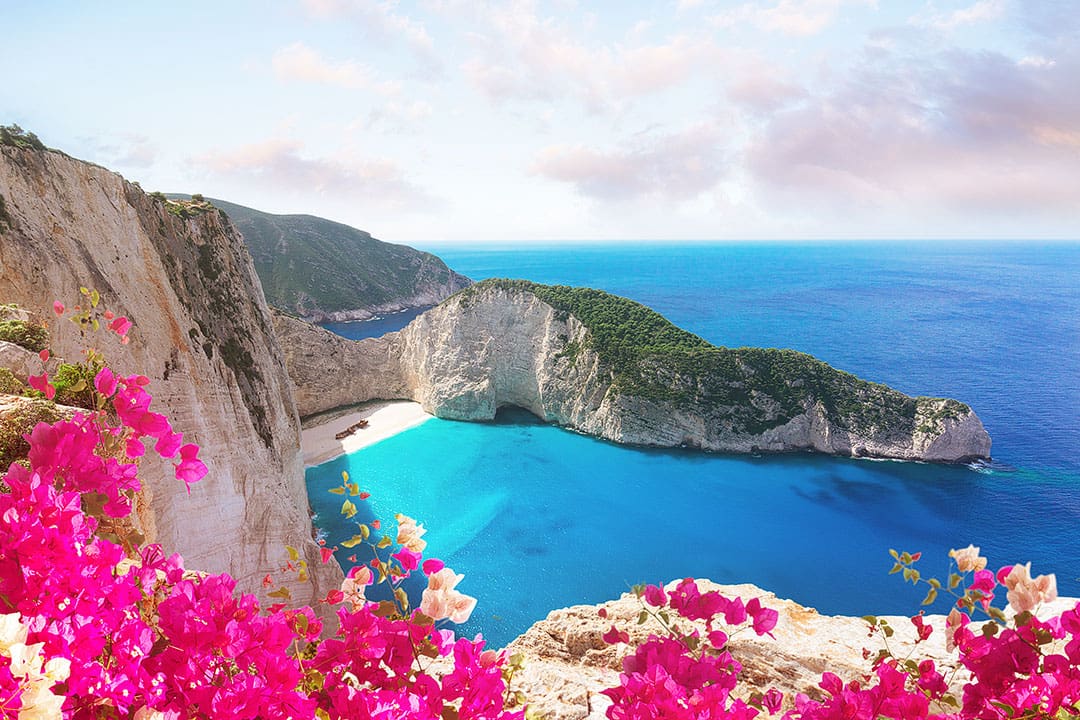
Greece is bracing for a potential tourism boom in 2026, fueled in part by the ongoing conflict in the Middle East redirecting global travelers toward safer, more stable Mediterranean destinations.
After smashing records in 2025 with nearly 38 million international arrivals and €23.6 billion in travel receipts (up 9.4% from 2024), industry experts and officials see the geopolitical turbulence as a double-edged sword: short-term risks from uncertainty, but real opportunities for gains if Greece positions itself as a secure “safe harbor” alternative.
2025: Already a Historic High – Setting the Stage for MoreGreece wrapped 2025 as the “best year ever” for tourism, according to Tourism Minister Olga Kefalogianni. Key stats from the Bank of Greece:
- 37.98 million inbound travelers (a 5.6% jump from 2024’s 35.95 million).
- Non-EU visitors surged 10%, showing broadening appeal beyond traditional European markets.
- Revenue hit €23.6 billion, outpacing arrivals growth thanks to higher spending per visitor and strong cruise numbers.
This momentum carried into early 2026, with airlines like Jet2 boosting seat capacity by 15% for the year and strong Easter bookings reported on platforms like Booking.com (despite regional tensions). Projections before the escalation pointed to continued 3–6% growth in arrivals for Europe overall, with Greece well-positioned to outperform averages.
How the Middle East Conflict Is Reshaping Travel MapsThe escalation involving Iran, Israel, the US, and broader regional fallout (including airspace closures, flight disruptions, and safety concerns) has hit Middle East tourism hard. Analysts from Oxford Economics and Tourism Economics estimate:
- Inbound arrivals to the broader Middle East could drop 11–27% in 2026 compared to pre-conflict forecasts (potentially 23–38 million fewer visitors and tens of billions in lost spending).
- Destinations like Dubai, Egypt, Jordan, and parts of Turkey face cancellations and declining confidence.
Travelers—especially from Europe, the US, and even affluent Gulf markets—are rerouting to “familiar, easy-to-reach” spots perceived as distant from the conflict. While some operators (like On The Beach) reported slowdowns or cancellations for eastern Mediterranean spots including Greece, Cyprus, and Turkey due to general caution, others (including Tui) noted sharp upticks in demand for Greece, Spain, Portugal, and Italy as alternatives.Greek sources highlight the upside:
- If the crisis remains contained or resolves quickly, Greece could see redirected flows from riskier neighbors.
- National Bank of Greece analysis suggests potential annual gains if Mediterranean countries (Greece included) attract more visitors fleeing instability—especially high-spending travelers from the Gulf seeking stable EU alternatives.
- Greece’s geographic distance from active zones, EU stability, and reputation for safety give it an edge over closer hotspots.
Industry voices emphasize: The impact hinges on duration. A brief flare-up allows quick recovery and even boosts; prolonged issues could raise energy costs, inflation, and global caution, slowing bookings everywhere.Why Greece Stands to Gain – and What to WatchGreece’s strengths play perfectly into this shift:
- Proven resilience after past crises.
- Iconic, crowd-pleasing destinations (islands, history, beaches) with strong marketing.
- Growing cruise and long-haul appeal (US visitors remain robust).
- Early signals like increased Easter interest and airline expansions point to optimism.
But it’s not risk-free—some cancellations from Israeli/US markets and broader hesitation exist. Hoteliers in northern Greece and elsewhere are on alert, stressing the need to communicate Greece’s safety clearly.
Overall, 2026 could see Greece welcoming even more tourists than the 2025 record—if the conflict de-escalates and the “safe Mediterranean” narrative wins out.
Officials remain cautiously bullish: another strong year seems within reach, potentially pushing arrivals toward 40 million+ and revenues higher still.What do you think—will the Middle East situation send more travelers our way, or create too much global hesitation? If you’re planning a trip to Greece this year, share your thoughts below!
(Sources: Bank of Greece, Ekathimerini, Greek Reporter, Tornos News, The Guardian, Oxford Economics, and industry reports as of mid-March 2026.)