

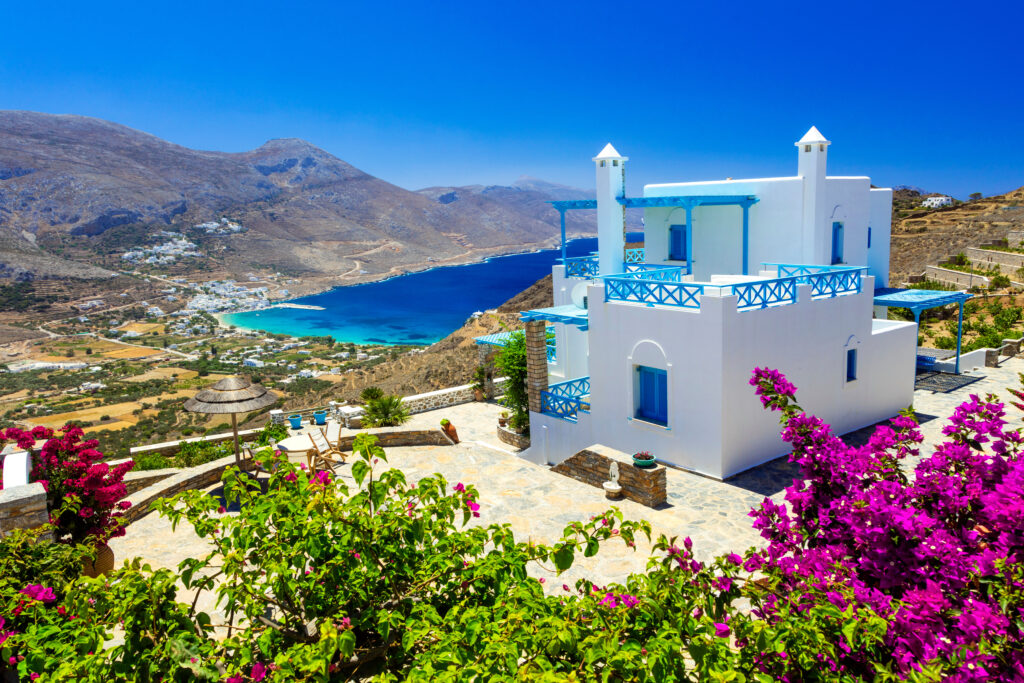
Greece is facing one of the most severe demographic crises in Europe. Birth rates have collapsed—dropping to just around 72,300 in recent years, roughly half the levels seen in the mid-20th century. Deaths now far outnumber births, contributing to a population decline of nearly half a million people since 2011. Over 700 schools closed in 2025–2026 due to shrinking student numbers, and projections show the population could fall below 8 million by 2050, with over a third aged 65 or older.
This isn’t just numbers—it’s villages emptying, islands losing their young people, and entire communities at risk of fading away.Yet amid this crisis comes an extraordinary twist: Greece is fighting back by literally paying people to move to some of its most beautiful, underrated islands. Think free housing, monthly cash stipends, and the chance to live in postcard-perfect paradise while helping save a piece of Hellenic heritage.
The star of the show right now is Antikythera, a tiny, remote island between Crete and the Peloponnese with fewer than 50 residents. Famous for the ancient Antikythera Mechanism (often called the world’s first computer), it now offers one of the most generous relocation packages in Europe:
- Free accommodation — a house and plot of land for as long as you stay
- Free basic food provisions
- €500 per month per household for the first three years (totaling around €18,000 or about $19,500–$20,000)
Organized by the Greek Orthodox Church of Kythera in partnership with local authorities, the program targets young families (ideally with children) and skilled workers like bakers, fishermen, builders, or farmers who can revive essential island services. Up to five families will be selected through interviews. As of early 2026, global interest has surged, but no relocations have started yet—new homes are under construction amid some administrative delays.
First come, first served could still apply if you’re ready to make the leap.Antikythera isn’t alone. Greece’s broader efforts include a national relocation incentive offering up to €10,000 to move to shrinking rural and island regions facing long-term decline. Combine that with tax perks—like a flat 7% rate on foreign income for up to 15 years for new residents—and the dream of island life becomes surprisingly achievable, especially for remote workers, retirees, or families seeking a slower pace.Here are a few other underrated Greek islands that feel like hidden gems—and are part of the same depopulation story. These spots offer authentic Greek life without the crowds, but they need people to thrive:
- Amorgos — Dramatic cliffs, epic hiking trails, and the iconic monastery from The Big Blue. Crystal-clear waters and traditional villages make it a hiker’s and diver’s paradise. Population pressures mean fewer young locals, but the island spirit remains strong.
- Serifos — Rugged landscapes, iron-rich history, empty beaches, and a stunning hilltop Chora village. It’s raw, unspoiled, and perfect for those wanting real island authenticity.
- Koufonisia (Ano Koufonisi) — Turquoise lagoons, car-free roads, and a laid-back vibe that feels like your own private slice of the Aegean. Small population means tight-knit community—and big potential for newcomers.
These islands raised our grandparents’ generation. They fed sailors, inspired poets, and kept Greek culture alive through centuries. Now, many are quietly fading as youth leave for cities or abroad. But you—whether you’re a Global Greek in the diaspora, a remote-working professional, or just someone dreaming of a sea-view life—could help turn the tide. Visit this summer to support local tavernas and shops.
Consider investing in affordable property while prices are low. Or take the ultimate step: apply for one of these programs and raise the next generation where the Aegean meets the sky.Would you move to a Greek island for free housing and cash incentives? Drop your dream island in the comments, share your family connection to Greece, or tag a friend who needs to see this. Let’s get the word out—our islands are calling us home. Sources include recent reports from Greek City Times, Greek Reporter, and various travel/demographic outlets (as of March 2026).