

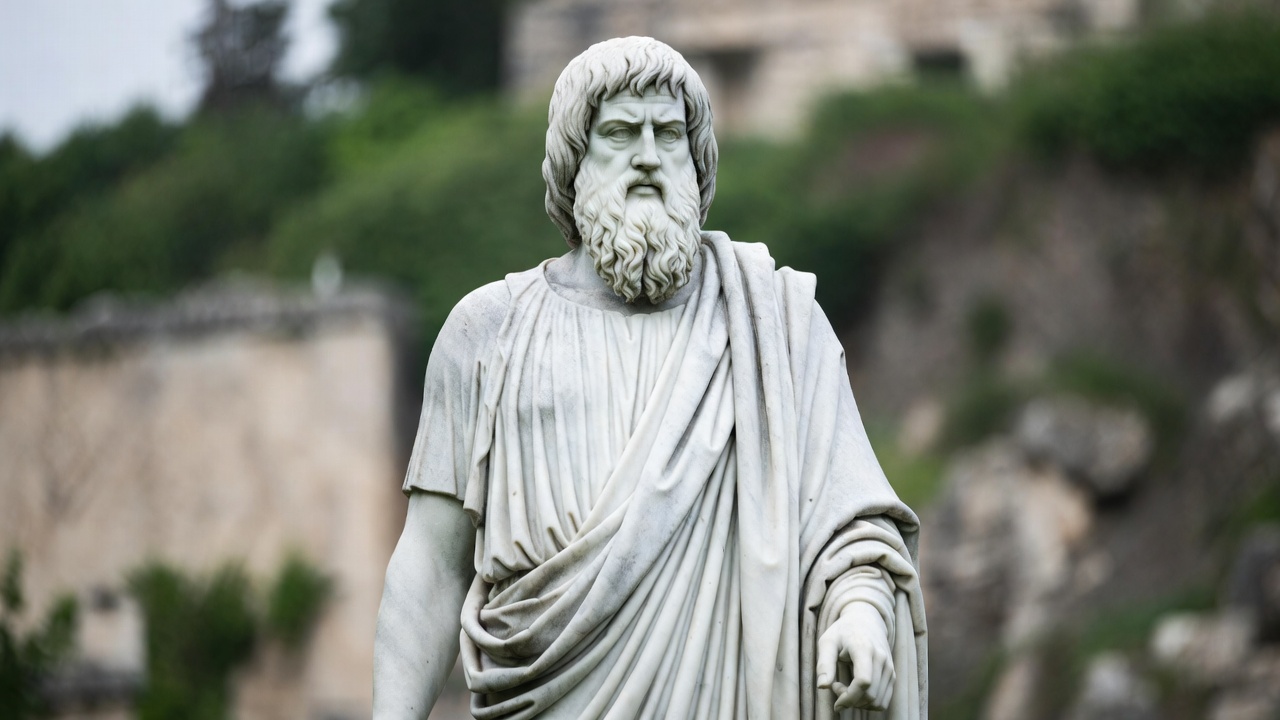
Ancient Greek medicine, led by Hippocrates around 460–370 BCE, wasn’t just about bloodletting and humors—it featured incredibly detailed observations of diseases that feel eerily modern. While everyone knows about epilepsy as the “sacred disease,” the Hippocratic Corpus hides dozens of lesser-known conditions with vivid symptom descriptions, surprising causes, and even risky treatments.
These 10 forgotten ailments show how the father of medicine turned everyday suffering into scientific curiosity, often centuries ahead of his time.
Hippocratic Fingers (Plectrodactelia): Hippocrates was the first to spot “plectrodactelia”—the clubbing of fingertips and nails—as a telltale sign of serious heart or lung problems, including what we now call lung cancer. He linked the curved, bulbous digits directly to chronic chest diseases, a connection doctors still use today as a quick visual clue during exams.
Scythian Impotence: Wealthy Scythian horsemen suffered mysterious male impotence that puzzled everyone—until Hippocrates pinpointed the cause: years of constant riding damaged their genitalia. Poor Scythians who couldn’t afford horses had no such issue, making this one of the earliest lifestyle-linked sexual health observations in history.
Askites (Ascites): Hippocrates calmly described “liquid collection around the abdomen” that swells the belly dramatically. What we call ascites today—often from liver failure—he noted as a fluid buildup that could turn deadly, showing he understood internal swelling long before modern imaging.
Acute Cholangitis: In one chilling passage, he outlined “hard and painful hypochondria, jaundice, bile in the urine, fever, and bile in the blood.” This matches today’s acute cholangitis (bile duct infection) so precisely that reading it feels like flipping through an ancient ER chart, complete with rapid deterioration.
Rapid-Fatal Acute Jaundice: Hippocrates warned of a vicious form of hepatitis where “acute jaundice rapidly spreading… urine has a red sediment… high fever, uneasiness and cnidoses” kills patients in just 4 to 10 days. The speed and specific urine clues he recorded are shockingly accurate for severe liver failure cases.
Empyema: Pus collecting in the chest (or sometimes uterus, bladder, or ear) got its own detailed entry. Hippocrates even recommended cutting between the ribs to drain it in severe cases—a primitive but effective surgery he performed when herbs and baths failed, centuries before antibiotics.
Tubercular Spine (Pott’s Disease): In “On the Articulations,” he described the hunched, deformed spine we now call Pott’s disease, caused by tuberculosis eating away at vertebrae. His notes on the progressive curvature and pain remain a classic early account of spinal TB.
The Mumps Epidemic on Thasos: During a spring outbreak on the island of Thasos, Hippocrates recorded fever, painful ear-area swellings (parotitis), dry cough, hoarse voices—and in many cases, agonizing swelling of one or both testicles. This is one of the clearest ancient descriptions of viral mumps, including its rare complications in young men exercising at the gym.
The Cough of Perinthus: A mysterious winter epidemic hit the seaside town of Perinthus with relentless upper-respiratory symptoms, coughs, and pneumonia that could turn fatal. Hippocrates tracked its seasonal pattern and progression so meticulously that modern historians still debate whether it was an early flu or another respiratory virus outbreak.
Wandering Womb (Hysteria’s Root): Ancient Greek physicians believed a woman’s uterus could literally “wander” through the body if she stayed celibate too long, causing seizures, suffocation, and emotional chaos. To fix it, they prescribed marriage, pregnancy, or strong scents to lure the womb back into place—making this the bizarre origin story of the word “hysteria.”
These conditions prove Hippocrates wasn’t just guessing—he was meticulously observing, recording, and even experimenting in ways that laid groundwork for modern diagnostics. Many of his insights survived because they were so spot-on, reminding us that sometimes the most surprising medical wisdom comes from 2,500 years ago. Next time you hear about “ancient medicine,” remember: the Greeks were already spotting clues we still use today. What other forgotten Greek gems should we explore?