
The Hidden Skulls of Chios: A Monastery’s Silent Witness to Massacre
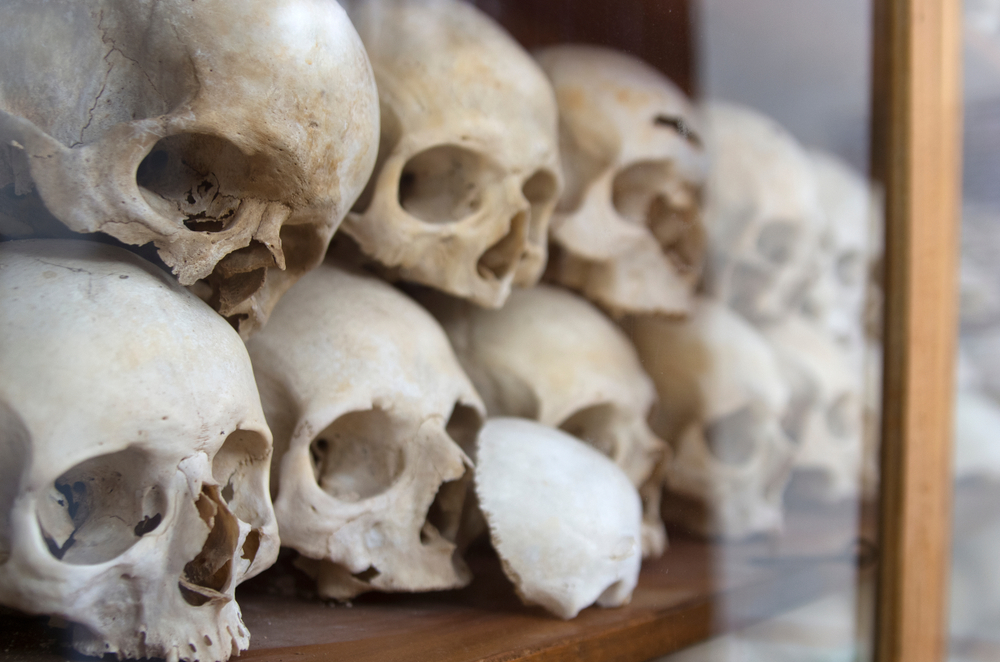
On the picturesque Aegean island of Chios, the historic Nea Moni Monastery rises amid scenic hills, its ancient Byzantine mosaics drawing visitors from around the world. Yet tucked away within its grounds lies a far more somber reminder of the past: rows of human skulls and bones, carefully arranged behind glass in a small chapel. These remains belong to victims of one of the bloodiest episodes in modern Greek history—the 1822 Massacre of Chios.
The 1822 Atrocity
In the spring of 1822, as the Greek War of Independence raged against Ottoman rule, Ottoman forces launched a devastating campaign to crush resistance on Chios. What followed became known as the Destruction of Chios. Tens of thousands of Greek civilians—men, women, and children—were killed, enslaved, or forced to flee. Entire villages were razed, and the island’s population was decimated.
Many desperate islanders sought refuge in the island’s monasteries, believing the sacred sites might offer protection. Nea Moni, a revered 11th-century monastery dedicated to the Assumption of the Virgin Mary and recognized today as a UNESCO World Heritage site, became one such haven. According to historical accounts, hundreds of monks along with thousands of women and children crowded into the complex.Their hope proved tragically misplaced.
Ottoman troops stormed the monastery, looting its treasures and slaughtering those inside. Some victims were cut down by swords; others perished in fires deliberately set within the buildings. The scale of the killing was immense, and the monastery itself was left scarred and diminished—never fully restored to its former grandeur.
A Chapel of Bones
Today, in the small Chapel of the Holy Cross near the monastery entrance, visitors encounter a chilling display. Glass cases hold neatly stacked skulls and other skeletal remains of the fallen. Many skulls bear clear marks of violence—deep gashes from blades that tell their own silent stories of suffering.
These bones were gathered in the aftermath of the massacre and preserved by the surviving monks and local community. Rather than concealing the evidence, the monastery chose to keep the remains as a memorial. An inscription often associated with the ossuary expresses a quiet faith: a hope for the resurrection of the dead and eternal life.
The sight is haunting. Hollow eye sockets stare out from the cases, each skull representing an individual life abruptly ended amid the chaos of war and revenge. Similar displays exist at other sites on Chios, such as the Monastery of Agios Minas, where additional victims’ bones are preserved.
Why the Silence?
What makes the story especially poignant is the long shadow of collective memory—and occasional reluctance to confront it fully. For decades, the full horror of the events at Nea Moni received relatively little attention in broader historical narratives compared to other episodes of the Greek Revolution. Some argue this reflects a complex interplay of politics, diplomacy, and the desire to move forward in Greek-Turkish relations.
The monks who survived and subsequent generations maintained the site and its relics, yet the massacre’s details sometimes faded into the background of official histories. Only in recent years has there been renewed interest, including the opening of dedicated museums and educational efforts to ensure the victims are not forgotten.
A Lasting Legacy
The preserved skulls at Nea Moni serve as a powerful, tangible link to the past. They remind modern visitors of the human cost of conflict and the fragility of peace. The monastery itself, with its stunning mosaics from the “second golden age” of Byzantine art, stands as a symbol of both cultural resilience and enduring trauma.
Travelers to Chios often describe a mix of emotions when visiting: awe at the architectural beauty and Byzantine artistry, followed by quiet reflection in the presence of the bones. The contrast is stark—life-affirming art alongside stark evidence of death.In an era when historical memory continues to shape international relations in the Eastern Mediterranean, the skulls of Chios remain a quiet but insistent voice.
For more stories, visit our site GlobalGreeks.com