

Brazil, a nation celebrated for its rich cultural mosaic, is home to communities from every corner of the globe. Among them, the Greek Brazilian population stands out as a dynamic yet often overlooked thread in the country’s diverse tapestry.
Estimates suggest that between 30,000 and 50,000 people of Greek descent live across Brazil today, with the vast majority concentrated in the bustling metropolis of São Paulo. This figure encompasses both recent immigrants and multi-generational descendants who proudly trace their roots to Hellenic heritage.
While Brazilian censuses do not specifically track Greek ancestry, community leaders and historical records consistently point to these numbers, making the Greek community the largest in Latin America. Greek immigration to Brazil began modestly in the late 19th century.
The earliest documented arrivals date back to the 1880s, with pioneers often hailing from islands like Kastellorizo in the Dodecanese. These early settlers, many of them sailors or traders, established footholds in southern states such as Santa Catarina and Paraná, as well as in Rio de Janeiro. Driven by economic hardship and the search for opportunity in a rapidly developing Brazil, these immigrants brought skills in commerce and maritime trades.
One notable early colony formed in Florianópolis, where Greeks from the Dodecanese contributed to local trade and left lasting family names still visible in regional records.The momentum of Greek migration accelerated significantly in the post-World War II era. Between the 1950s and 1960s, roughly 9,000 to 13,000 Greeks arrived, fleeing the aftermath of the Greek Civil War and economic instability at home.
Many were unskilled or semi-skilled workers recruited through organized programs to support Brazil’s booming industrial sector, particularly in São Paulo’s factories and textile industries. Over 70% of these newcomers settled in the São Paulo region during peak years like 1954. This wave transformed the community from scattered individuals into a more cohesive urban presence, centered around neighborhoods like Brás, Pari, and Bom Retiro.
Today, São Paulo remains the undeniable epicenter of Greek life in Brazil. Community estimates place 20,000 to 50,000 people of Greek origin in the city alone, far outnumbering smaller pockets in Rio de Janeiro and other southeastern and southern states. Greek Brazilians have integrated deeply into urban life, working in commerce, professions, manufacturing, and entrepreneurship.
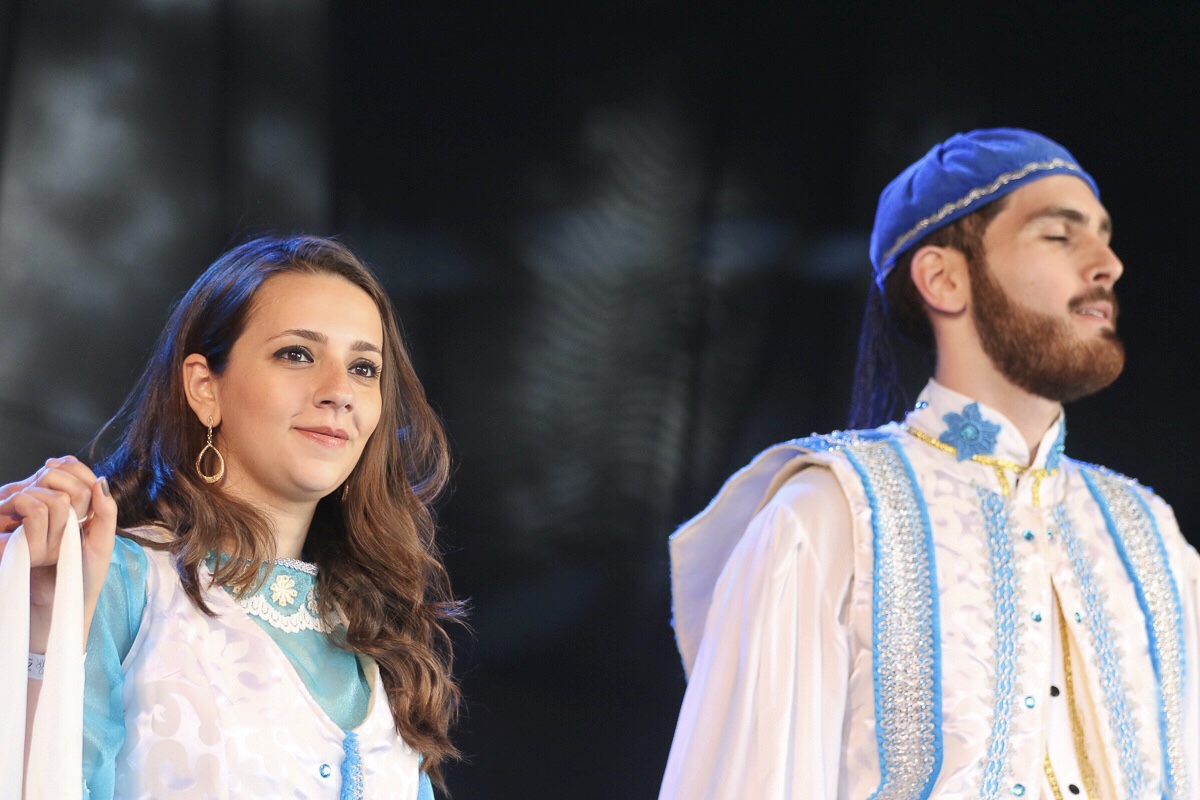
Despite high levels of assimilation through intermarriage and generational shifts, many families maintain cultural ties through language classes, dance groups, and traditional celebrations. The community is well-organized, with active associations that host events preserving Hellenic customs amid Brazil’s vibrant carnival and futebol culture.Religion plays a central role in sustaining Greek identity.
The Greek Orthodox Church maintains parishes in São Paulo and Rio, serving as spiritual and social hubs. These churches host liturgies in Greek, festivals like Easter with roasted lamb and tsoureki bread, and community gatherings that blend Orthodox traditions with Brazilian warmth.
While the broader Orthodox population in Brazil is larger due to other ethnic groups, the Greek parishes specifically nurture Hellenic heritage, offering Greek language instruction and cultural education for younger generations.Greek Brazilians have made notable contributions to Brazilian society across various fields. Historical figures include João Pandiá Calógeras, a politician of Greek descent who served as Brazil’s Minister of War during World War I.
In modern times, the community boasts accomplished individuals such as Michel Doukeris, CEO of AB InBev (the world’s largest beer company), neuroscientist Miguel Nicolelis, physicist Constantino Tsallis, and actress Bruna Griphao. These success stories highlight how Greek immigrants and their descendants have leveraged resilience, education, and entrepreneurial spirit to thrive in Brazil’s competitive landscape.
Culturally, the community keeps Hellenic traditions alive through food, music, and arts. Greek restaurants in São Paulo serve classics like souvlaki, moussaka, and fresh seafood, often fused with Brazilian ingredients for local appeal.
Dance troupes perform sirtaki and other folk routines at cultural festivals, while Greek schools teach the language and mythology to children. In 2024, Brazil officially recognized this heritage by establishing September 21 as National Greek Immigrant Day, a milestone that honors the contributions of Greek settlers and strengthens community visibility nationwide.
Challenges persist for the Greek Brazilian diaspora. Assimilation has led to declining Greek language proficiency among younger generations, with some estimates suggesting only around 11,000 people actively identify with core Greek cultural markers or speak the language fluently.
Economic pressures and Brazil’s vast size can also dilute community cohesion outside major urban centers. Nevertheless, renewed interest in genealogy, easier travel to Greece, and digital connections have sparked a modest cultural revival in recent years.Looking ahead, the Greek presence in Brazil continues to evolve. With Brazil’s population exceeding 213 million, the Greek community represents a small but flavorful ingredient in the national stew.
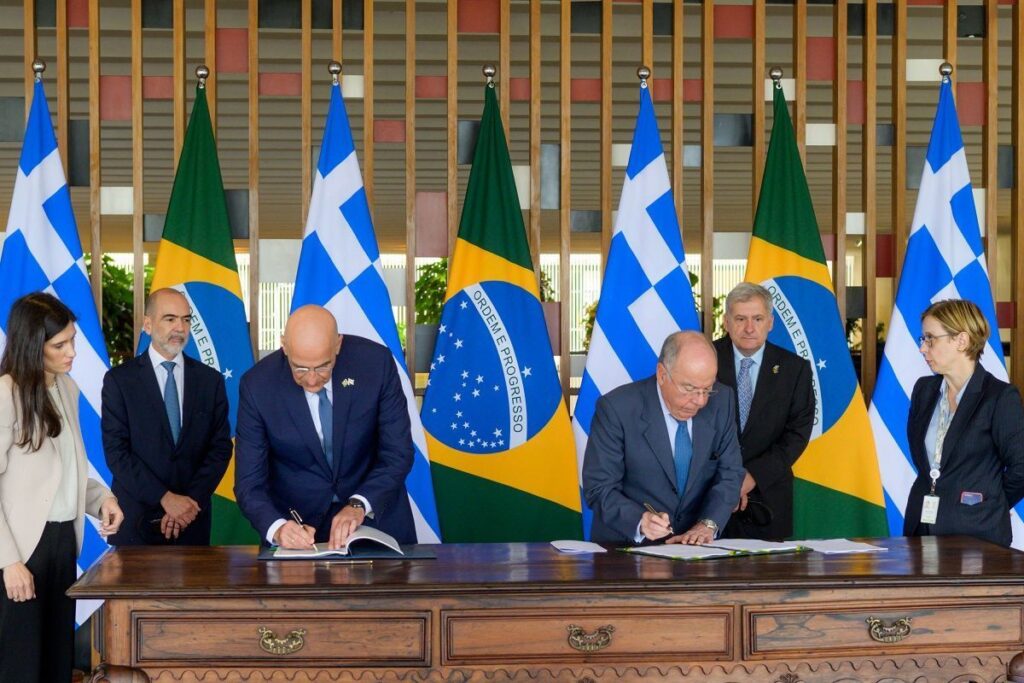
As globalization fosters stronger ties between Greece and Brazil—through tourism, business, and academic exchanges—the diaspora is poised to play an even greater bridging role. Community organizations and the Greek Consulate in São Paulo remain vital in supporting language programs, cultural events, and assistance for new arrivals or dual citizens.
In conclusion, the story of Greeks in Brazil is one of perseverance, adaptation, and quiet influence. From 19th-century sailors seeking new shores to postwar families building lives in São Paulo’s factories, they have woven themselves into the fabric of Brazilian society while preserving echoes of ancient Hellas. Whether through a lively Orthodox Easter feast, a business success story, or simply a family surname hinting at Mediterranean roots, Greek Brazilians enrich Brazil’s multicultural identity.
Their legacy reminds us that even small diasporas can leave an indelible mark on a vast nation.(Word count: approximately 950 – suitable for a standard blog post of 9-10 paragraphs when formatted with subheadings or natural breaks.) This article draws on historical patterns and community self-reports for a balanced overview. For the latest updates, visiting Greek community sites or the São Paulo consulate is recommended.
Check out more stories at GlobalGreeks.com