

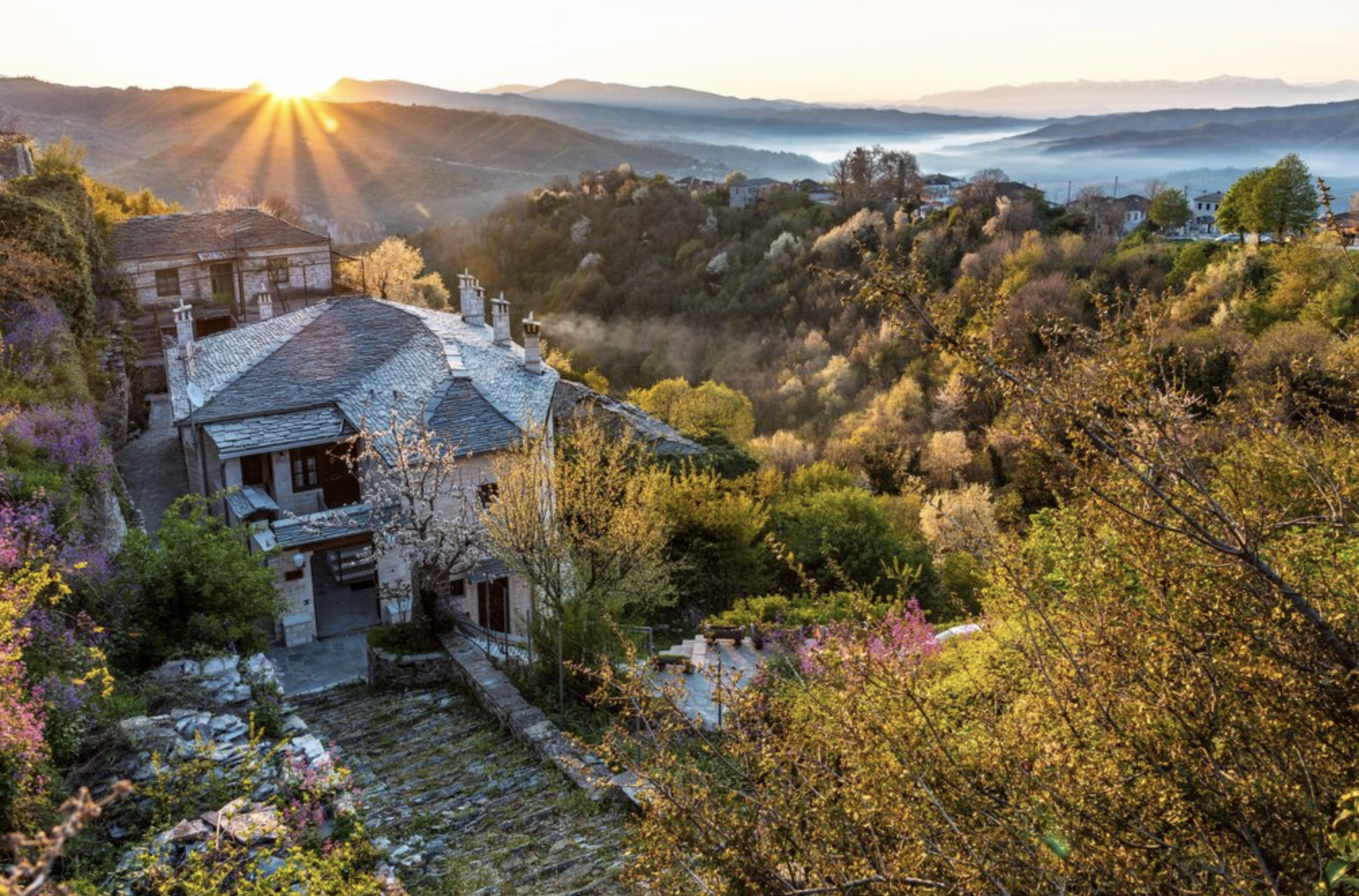
Greece is one of the world’s most visited countries, drawing record crowds to its ancient ruins, sun-drenched islands, and vibrant culture. In 2025, the nation welcomed approximately 37.98 million inbound travelers — a 5.6% increase from the previous year — generating billions in revenue and cementing tourism as the backbone of its economy.
Yet behind the bustling ports and packed beaches lies a quieter crisis: Greece’s local population is shrinking. With one of Europe’s lowest fertility rates (around 1.26–1.32 children per woman in recent years, well below the 2.1 replacement level) and more deaths than births for over a decade, the country has lost hundreds of thousands of residents since 2011.
This paradox — booming tourism alongside a vanishing native population — raises urgent questions about sustainability, quality of life, and the long-term future of Greek society.
Tourism’s Economic LifelineTourism contributes massively to Greece’s GDP, supporting hundreds of thousands of jobs in hospitality, transport, and services. In 2025, arrivals from key markets like Germany, the UK, and non-EU countries drove growth, with revenues hitting new highs even before full-year cruise figures. Popular destinations such as Santorini, Mykonos, and Athens see millions of visitors annually. Short-term rentals, luxury villas, and cruise ships pump money into local economies, helping offset other sectors’ weaknesses and aiding debt servicing.
For many Greeks, tourism provides essential seasonal or year-round employment. Without it, entire islands and coastal towns would struggle economically.
The Demographic DeclineGreece’s population has fallen by roughly 400,000–500,000 people over the past 13 years, now hovering around 10.37 million. In 2023, births dropped to just 72,300 — about half the annual average from the 1950s–1970s. Deaths consistently outnumber births, and projections show the trend continuing.
The total fertility rate has hovered in the 1.2–1.4 range for years, among the lowest in Europe. Factors include:
- High cost of living and housing
- Economic insecurity lingering from the financial crisis
- Delayed or forgone parenthood among younger generations
- An aging population (nearly 23% over 65)
Brain drain exacerbates the issue: many educated young Greeks emigrated during the crisis for better opportunities abroad, reducing the pool of potential parents and workers. Schools are closing — hundreds in recent years — due to fewer children, especially on islands and in rural areas. How Tourism Intersects with Population LossMass tourism brings undeniable benefits but also strains the very fabric of local life, potentially accelerating the decline in some ways:
- Housing affordability crisis: In hotspots like Santorini, Mykonos, and central Athens neighborhoods, short-term rentals (Airbnb and similar) have converted thousands of homes into tourist accommodations. Rents and property prices have soared, pricing out young families and locals. In some Cyclades islands, housing costs far exceed regional averages, making it difficult for residents to buy or rent suitable homes for raising children.
- Overtourism pressures: Crowded infrastructure, water shortages (exacerbated by pools and high consumption), waste management issues, and seasonal congestion reduce quality of life. Locals in places like Santorini report feeling overwhelmed, with some areas transformed into “tourist ghettos” dominated by bars and shops that close off-season. Protests and graffiti (“No more tourism”) have appeared in Athens and islands.
- Economic distortion: Heavy reliance on seasonal, often low-to-mid-wage tourism jobs can discourage long-term career paths or family formation. Young people may leave for stable opportunities elsewhere, while the influx of visitors drives up everyday costs (groceries, services) without proportional benefits for non-tourism workers.
- Cultural and social shifts: Traditional communities on smaller islands see their way of life altered — fewer year-round tavernas, depopulated villages, and a sense that the islands exist primarily for outsiders.
In essence, while tourism sustains the economy, it can make everyday life harder for the very people needed to sustain the population.
Broader Implications
If current trends hold, Greece’s population could shrink significantly by 2050, with a much higher proportion of elderly residents. This threatens labor shortages (especially in tourism and care sectors), strained pension and healthcare systems, and reduced economic dynamism.The “vanishing locals” phenomenon isn’t unique to Greece but feels particularly stark here: a country celebrated globally for its heritage risks seeing that heritage maintained more by visitors and migrants than by a thriving native population.
Possible Paths Forward
Greece has recognized the demographic issue as a “national threat.” Recent measures include a €1.6 billion relief package with family incentives, housing support, and efforts to encourage births. On the tourism side, the government has discussed cruise ship limits in sensitive areas like Santorini and Mykonos, new taxes on visitors, and policies to promote sustainable or off-season travel. Regulating short-term rentals, investing in infrastructure, and spreading tourism benefits to less-visited regions could help ease pressures on hotspots.Longer-term solutions might involve:
- Stronger pro-family policies (childcare, parental leave, housing subsidies)
- Incentives to reverse brain drain or attract skilled migrants
- Balancing tourism growth with livability — prioritizing authentic, lower-impact experiences over sheer volume
A Fragile Balance
Greece offers the world an irresistible mix of history, beauty, and hospitality. Millions come each year seeking that magic. But for the locals who create and embody it, the combination of low births, emigration, and overtourism creates a challenging reality.The question isn’t whether tourism should continue — it’s essential. The real challenge is ensuring it supports, rather than undermines, the communities that make Greece special.
Without addressing the demographic decline and overtourism’s downsides, one of the world’s most visited countries risks becoming a beautiful shell: full of visitors, but increasingly empty of the people who call it home.Sustainable tourism and bold demographic policies aren’t luxuries — they’re necessities if Greece wants its islands, cities, and culture to thrive for generations, not just seasons.