

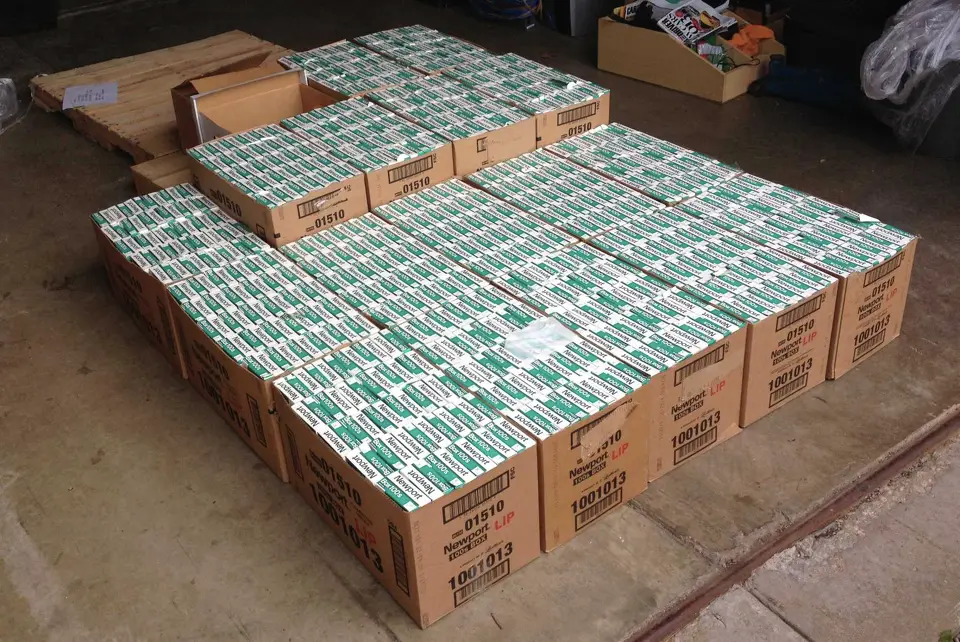
Greece Dismantles €1 Billion Cigarette Smuggling Empire: Massive Anti-Money Laundering Operation ExposesOrganized Crime Network.
Greek authorities have delivered a devastating blow to one of the country’s largest illegal tobacco operations, freezing assets tied to a sophisticated cigarette smuggling ring blamed for €1 billion in state losses over eight years. In a dramatic escalation of the fight against organized crime, the Hellenic Anti-Money Laundering Authority announced sweeping seizures on April 20-21, 2026, targeting luxury properties, vehicles, and vessels linked to the syndicate.
This high-stakes crackdown reads like a real-life thriller, complete with code-named kingpins, shell companies, and an international distribution web of counterfeit cigarettes. Here’s everything you need to know about the operation, its dramatic unraveling, and what it means for Greece’s border security and public finances.
Inside the €1 Billion Cigarette Smuggling Ring:
How It Operated
The criminal network allegedly ran like a well-oiled machine from 2018 until early 2026. At its peak, it produced around 8 million cigarettes per month, generating illegal revenues exceeding €5 million monthly. These weren’t cheap knock-offs sold on street corners—the group churned out counterfeit products bearing forged trademarks of major tobacco brands and shipped them across EU and non-EU countries. Production facilities were hidden in strategic locations including Attica (notably a factory in Aspropyrgos), Viotia, and Evia.
The syndicate relied on a web of shell companies, fictitious invoices, and false certifications to launder profits and evade detection. At least four family members played leading roles, with the two brothers at the top known by the underworld nicknames “President” and “Putin.”
By avoiding excise taxes, VAT, and customs duties on this industrial-scale output, the ring drained an estimated €120 million annually from Greek public coffers—totaling roughly €1 billion over eight years.
How Authorities Uncovered the Smuggling EmpireThe breakthrough came in February 2026 when Greek police launched coordinated raids across Attica and other regions, arresting 26 suspects. Ten of them were remanded in custody following lengthy hearings.
A subsequent four-month financial investigation led by the Hellenic Authority for Combating Money Laundering—headed by Charalambos Vourliotis, a former Deputy Prosecutor of the Supreme Court—mapped the full financial footprint.
Investigators compiled a 130-page report detailing 38 individuals and 21 legal entities (including anonymous companies, limited liability firms, and shipping outfits) involved in the scheme. The probe exposed how illicit gains were funneled through legitimate-looking businesses, highlighting the sophisticated money-laundering tactics that kept the empire hidden for years.
Landmark Asset Seizures: Hotels, Villas, Luxury Cars, and Tankers Frozen
In one of the largest asset freezes in recent Greek history, authorities targeted hundreds of millions of euros in wealth believed to stem from the smuggling proceeds:
- 42 properties across Greece, including a hotel complex, luxury villas and maisonettes (particularly in the Cyclades islands), and the Aspropyrgos processing factory.
- 26 luxury vehicles, ranging from Porsche and Land Rover models to trucks, trailers, and caravans.
- 76 vessels, including three tankers, two commercial ships available for charter, and other maritime assets.
- Multiple bank accounts and safety deposit boxes.
These seizures send a clear message: crime doesn’t pay, and Greek officials are now aggressively tracing and confiscating the fruits of organized tax evasion.
Broader Links to Organized Crime and Illicit Networks
Beyond lost tax revenue, the operation raises red flags about potential ties to wider criminal enterprises. Money laundering through fake documentation and shell companies often funds everything from drug trafficking to arms dealing—though authorities have not publicly confirmed additional links in this case. The use of maritime assets (tankers and commercial ships) suggests the ring may have leveraged Greece’s extensive shipping infrastructure for cross-border smuggling routes.
This bust underscores how cigarette smuggling serves as a low-risk, high-reward gateway crime for sophisticated syndicates operating in the shadows of legitimate trade.
Implications for Greek and EU Border Security and Public Finances
The €1 billion hit to the state budget represents a massive drain on funds that could have supported healthcare, infrastructure, or public services. With Greece still recovering from past economic challenges, every euro recovered through asset seizures strengthens fiscal resilience.
On the security front, the operation highlights improved coordination between police, financial crime units, and anti-money laundering bodies. It also boosts Greece’s standing in the EU’s broader battle against illicit tobacco trade, which costs member states billions annually in lost revenue and undermines legitimate businesses.
Experts predict this high-profile case could deter similar networks and encourage tighter controls on tobacco imports, production, and maritime logistics—key vulnerabilities in EU border security.
A Turning Point in Greece’s War on Organized Crime?
The dismantling of this €1 billion cigarette smuggling empire marks a significant victory for Greek law enforcement. From the initial raids in February to the landmark asset freezes this week, authorities have shown a relentless commitment to following the money and holding powerful players accountable.
As the 130-page report now moves through the prosecutorial process, the case could yield even more revelations about the inner workings of Greece’s underworld. For now, one thing is clear: the days of unchecked smuggling empires are numbered.
What do you think this bust means for Greece’s fight against financial crime?
Share your thoughts in the comments below. For more on Greek news, organized crime developments, and economic security stories, stay tuned to our site for more info GlobalGreeks.com