

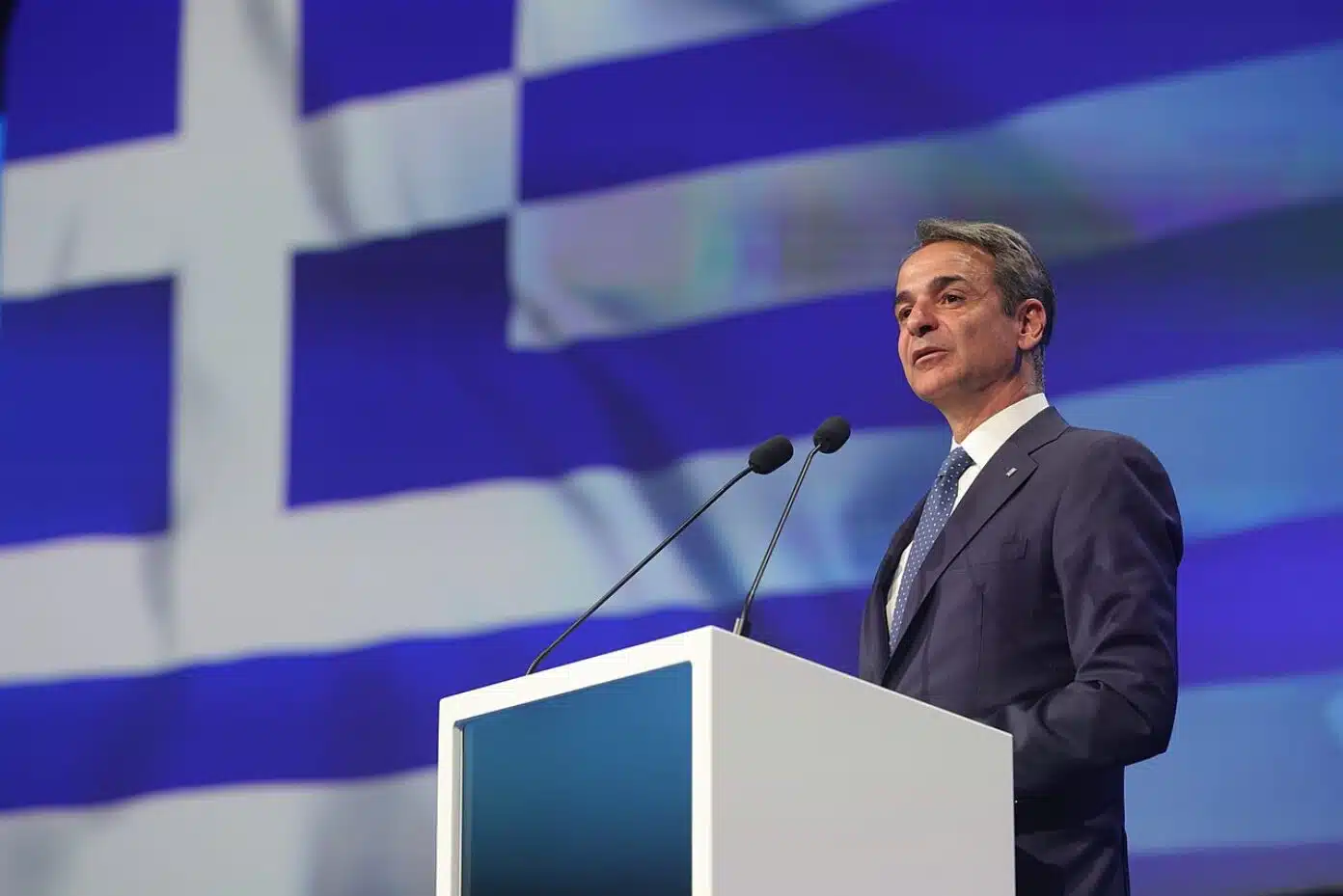
On March 26, 2026, Greek Prime Minister Kyriakos Mitsotakis stood before his cabinet and confirmed a new adjustment to the country’s statutory minimum wage. Starting April 1, 2026, the gross monthly minimum wage for full-time workers will rise from €880 to €920 — an increase of €40 per month, or roughly 4.5%.
This marks the sixth consecutive minimum wage hike since the current government took power, continuing a pattern of gradual upward adjustments aimed at supporting lower-income households.
When New Democracy assumed office in 2019, the minimum wage stood at just €650. The cumulative growth now exceeds 41%, which the government calculates as providing an extra annual benefit of more than €3,780 for a full-time minimum-wage earner compared to pre-2019 levels.
Why This Increase Matters — and Why It’s Happening Now
Greece has been slowly recovering from the deep scars of the 2010s debt crisis, a period marked by harsh austerity measures, high unemployment, and significant cuts to wages and social spending. Raising the minimum wage has become one of the government’s flagship tools for restoring purchasing power and signaling that the economy is on a more positive trajectory. The timing, however, comes amid ongoing global headwinds.
The conflict in the Middle East, particularly involving Iran, has contributed to volatility in energy prices and broader inflationary pressures. These external factors have made households’ daily expenses — from groceries and fuel to rent — feel heavier, even as the domestic economy shows signs of resilience through tourism recovery and foreign investment.
Labor Minister Niki Kerameus and Economy Minister Kyriakos Pierrakakis presented the proposal during the cabinet meeting. The government frames this move as part of a wider strategy to lift average wages across the board, with a stated longer-term target of pushing the minimum wage toward €950 by 2027. Officials argue that steady, predictable increases help businesses plan ahead while gradually improving living standards without shocking the labor market.
Who Will Benefit — And How Far Does It Go?
Hundreds of thousands of private-sector employees currently earning the minimum wage will see their gross pay increase by €40 monthly. This adjustment will also ripple outward:
- It will affect certain public-sector pay scales.
- Seniority allowances (which add 10% after three years of service, up to a cap) will be recalculated based on the new base.
- Various social benefits and unemployment support tied to the minimum wage level may see corresponding adjustments.
For a typical worker, the net gain after taxes and contributions will be more modest — roughly €30–35 extra in take-home pay, depending on individual circumstances. Still, in a country where many households live paycheck to paycheck, even small monthly boosts can help cover rising costs.
Criticism from Labor Unions
Not everyone is celebrating the announcement. Greece’s largest trade union confederation, the GSEE, quickly described the €40 rise as insufficient. Union leaders argue that the increase fails to keep pace with the real cost of living, especially for essentials like housing, energy, and food. According to the GSEE’s research institute (INE), a minimum wage that would support a “decent standard of living” in 2026 should be closer to €1,052 gross per month.
They contend that incremental adjustments like this one provide only marginal relief and do not address deeper structural issues such as high inequality, precarious employment in sectors like tourism and retail, and Greece’s relatively low ranking in EU minimum wage purchasing power.
Employers’ organizations, on the other hand, have generally supported more moderate increases, emphasizing the need to protect competitiveness, especially for small and medium-sized businesses that employ the majority of minimum-wage workers.Broader Economic Context
This policy sits within a transitional framework for minimum wage setting. A new EU directive on adequate minimum wages has been transposed into Greek law, but full implementation of certain changes is phased in from 2028 onward. For 2025–2027, the government continues to use a consultation process involving social partners before making the final decision.
Greece currently ranks in the middle tier among EU countries with statutory minimum wages. Proponents of the hikes point to falling unemployment rates and economic growth as evidence that the policy is sustainable. Critics worry that without stronger productivity gains or targeted support for businesses, repeated increases could eventually strain hiring or push more activity into the informal economy.
The government also pairs wage policy with other measures, such as tax cuts and reductions in social security contributions, in an attempt to balance support for workers with incentives for job creation.
Looking Ahead
With this latest adjustment, Greece edges closer to its €950 target by 2027.
Whether that goal is met will depend on economic performance, inflation trends, and political priorities in the coming years.For many Greek workers, the €920 minimum wage represents tangible progress after years of hardship. Yet the gap between official increases and the union’s vision of a living wage highlights ongoing tensions in the debate over what constitutes “adequate” pay in today’s economy.
As inflation continues to bite and global uncertainties linger, the conversation around wages is unlikely to fade. Policymakers will need to balance compassion for struggling households with the realities of running a competitive, open economy.
What’s your take?
Do you believe gradual minimum wage increases like this one are the right approach for Greece, or should the government aim higher and faster? Have you or someone you know been affected by these changes? Share your thoughts in the comments — I’d love to hear from readers both in Greece and abroad.