

The catastrophic collision in Greece’s Vale of Tempe triggered a ferocious explosion that illuminated the night sky for over an hour. The intense fireball was later cited by investigators as the reason many victims’ remains were only partially recovered, leading authorities to return bodies to families in sealed coffins.
Trial descends into disorder on day one
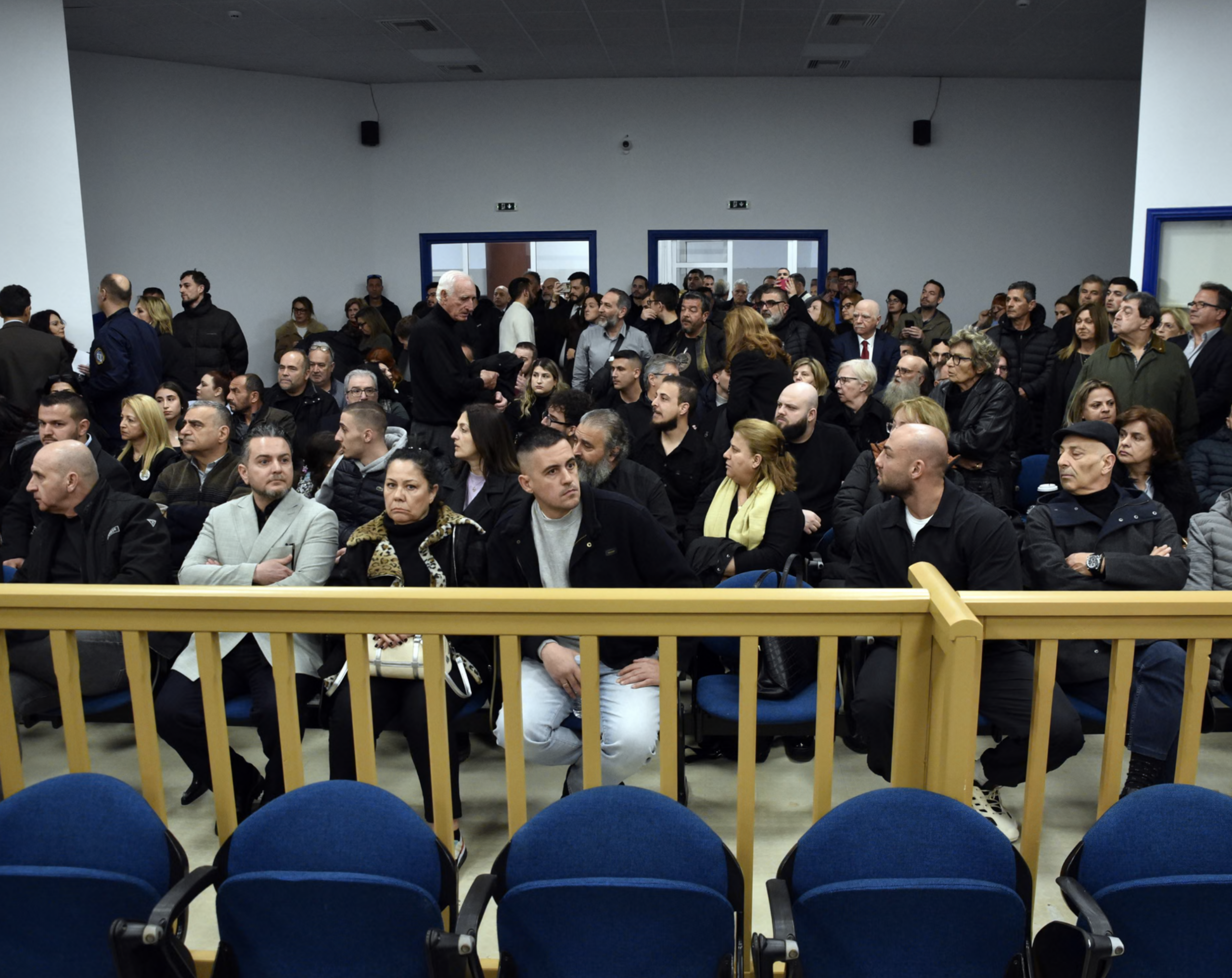
Grieving relatives shouted “shame on you” at judges as the long-awaited criminal proceedings over Greece’s worst rail disaster opened in chaos and were quickly adjourned until next month.More than three years after the tragedy that claimed 57 lives, families of the victims condemned the hearing as a mockery of justice and called for the trial to be relocated.
The five-judge panel repeatedly paused the session on Monday before postponing further proceedings until April 1.
Speaking outside the specially prepared courtroom at the University of Thessaly in Larissa — the city nearest the crash site in central Greece — Panos Ruci, who lost his son Denis, described the venue as woefully inadequate. “The courtroom is simply not fit for purpose,” he said. “There are so many relatives and lawyers — it’s like a chicken coop in there.”
Denis was among the many passengers believed to have died instantly in the February 28, 2023, head-on collision. The northbound intercity train, filled with students heading back to Thessaloniki after a holiday weekend in Athens, slammed into a southbound freight train.
A solidarity gathering took place outside the University of Thessaly building where the hearing was held.The devastating crash in the Vale of Tempe sparked a massive blaze that burned for more than an hour. Investigators attributed many of the subsequent deaths to the intense fireball, which left some remains so badly damaged that officials delivered bodies to families in sealed caskets.Around 350 witnesses are expected to testify in a trial that could stretch on for years.
Thirty-six individuals face charges, including railway officials and the station manager who admitted to directing the two locomotives onto the same track — a critical mistake that left the trains hurtling toward each other for 12 minutes without anyone realizing.
Survivors and victims’ families have expressed outrage that no politicians who held relevant positions at the time of the crash are among the accused. Two former government officials remain under investigation, but neither has been brought before the court.“All we want is justice,” Ruci told reporters.
Last year, he staged a 23-day hunger strike outside the Greek parliament to push for his son’s remains to be exhumed so that proper toxicological tests could determine the exact cause of death. His request was eventually granted, and he has become a prominent symbol of the families’ fight for accountability. “If there is no justice here, we will take the case to the European Court of Human Rights,” he warned.
“There must also be a political reckoning.”
Three years later, Prime Minister Kyriakos Mitsotakis and his centre-right government continue to face backlash over the disaster.Families have highlighted what they see as a flawed public inquiry and the hasty decision to cover the crash site with gravel — which they say destroyed crucial evidence — as signs of the state’s mishandling of the tragedy.
The European Public Prosecutor’s Office (EPPO) has also raised concerns, pointing to significant delays in using EU funds to upgrade the signalling system on the vital Athens–Thessaloniki rail corridor. EPPO chief Laura Codruța Kövesi has stated publicly that the collision could have been prevented if the automated safety systems had been properly installed with the €41 million in EU funding allocated for the project.
The office has brought additional charges against 16 individuals linked to the signalling contract.On the day of the hearing, rail workers — who had repeatedly warned about safety risks on the network — held a 24-hour strike, describing it as “an act of collective remembrance, protest, and democratic vigilance.”
Analysts believe the disorderly scenes in Larissa will only fuel public fury over the disaster and further erode trust in Greece’s mainstream political institutions.