


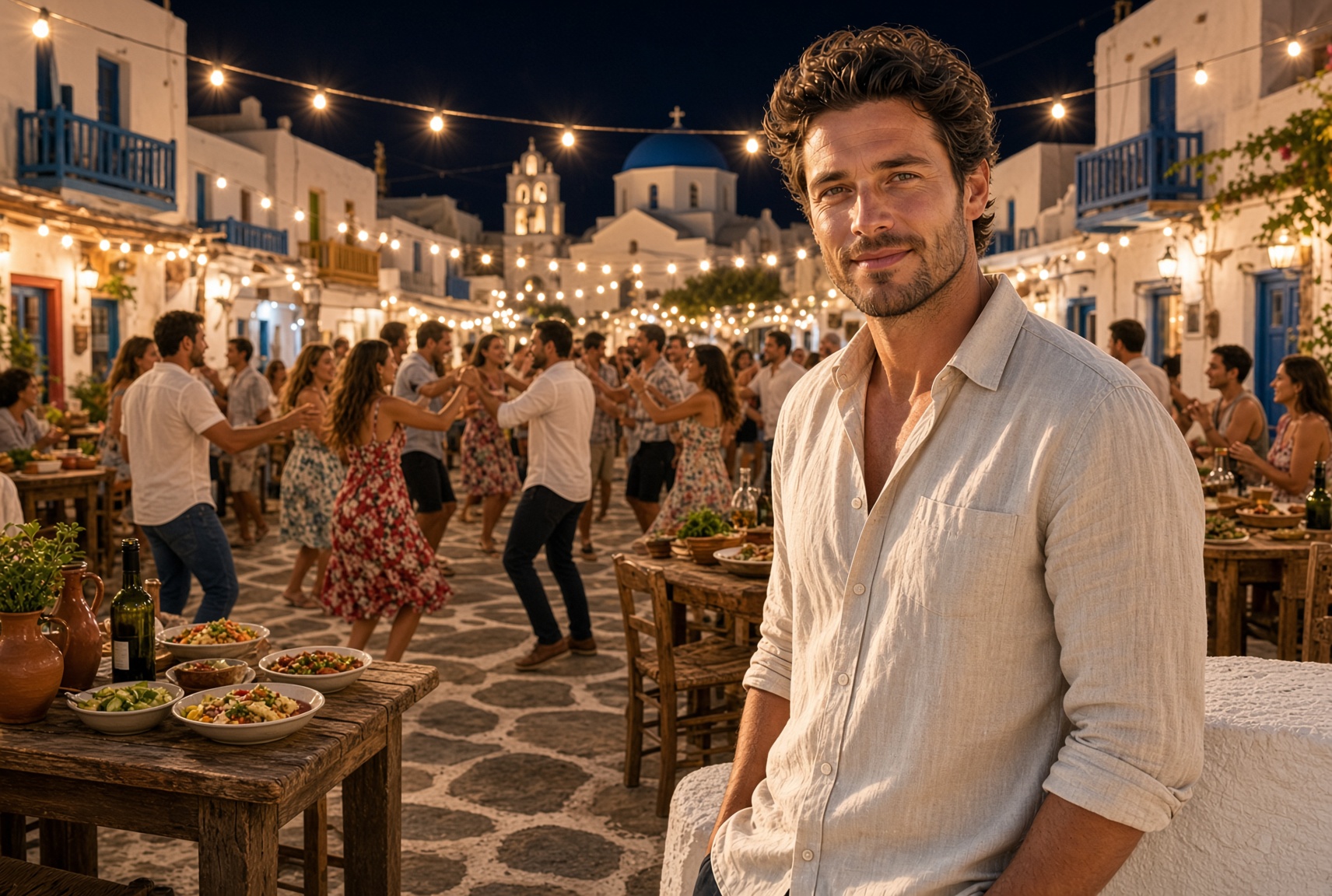
Over the last five years, a growing number of single Greek-American men have been leaving U.S. cities and heading to villages in Greece and Cyprus in search of wives. They are not looking for nightlife in Mykonos or dating apps in Athens.
They are looking for conservative, family-oriented, feminine Greek women in small village (xoria) — the kind of women they say they rarely find in American dating culture.
This is not a brand-new story. A century ago, Greek immigrant men returned to the homeland for picture brides. What is new is the scale among second- and third-generation Greek Americans, the speed of the move, and how openly men now talk about it: remote work, cheaper village life, Greek citizenship, and a desire for more traditional gender roles.
Why This Trend Accelerated After 2020
Several things lined up at once:
- Dating fatigue in the U.S. Many Greek-American men in their late 20s to 40s say American dating feels transactional, high-conflict, and low-commitment. They want marriage, children, and a wife who values family over career status.
- Remote work. A job that can be done from a laptop made a village in the Peloponnese or a Cypriot mountain town realistic.
- Greek citizenship.
- Applications from the diaspora have risen sharply. Ancestry citizenship gives EU residency, healthcare access, and a legal path to stay.
- Cost of living. A family house in a village, olive groves, and lower daily expenses look better than rent in New York, Chicago, or Los Angeles.
- Cultural pull. Summer visits, family property, Orthodox weddings, and panigiria (village festivals) already connected these men to rural Greece. The next step was staying.
The result is a quiet reverse migration: men who grew up in Astoria, Chicago, or Melbourne going back to the villages their grandparents left.
What They Say They Are Looking ForThe men describing this move usually list the same qualities:
- More conservative social and sexual norms than in U.S. cities
- Strong family orientation and respect for parents
- Comfort with traditional femininity and homemaking
- Orthodox Christian culture
- Willingness to live in or near a village, not only Athens or Limassol
They contrast this with what they call “Western dating”: delayed marriage, high divorce talk, career-first priorities, and less interest in children. Whether that contrast is fair is debated. What is not debated is that rural Greece and parts of Cyprus still run on different social clocks than Brooklyn or Los Angeles.
Village life is not frozen in 1950. Young women leave for university. Many never return. That shortage of local brides has existed for decades. Greek-American men with passports, savings, and family ties fill a gap that local village bachelors have also felt.
Where They Are GoingThe destinations are not tourist islands in August. They are:
- Mountain and inland villages in the Peloponnese (Arcadia, Messinia, Laconia)
- Crete’s inland towns and smaller coastal villages
- Epirus, Thessaly, and parts of Macedonia
- Rural Cyprus: Troodos villages, Mesaoria, and smaller communities away from the coast
These places still have panigiria, name-day celebrations, church life, and family networks that introduce people. A man who shows up for a summer panigiri, speaks some Greek, and has relatives in the village is not a random tourist.
He is a known quantity.
Cyprus attracts some of the same men because it is Greek-speaking, Orthodox, and often more socially conservative than Athens, with English widely spoken and a large diaspora connection.
How They Actually Meet WomenThis is not usually mail-order or resort dating. The common paths are:
- Family introductions. Aunts, cousins, and godparents still matter.
- Village festivals. Dancing, food, and late nights at a panigiri are still where people meet.
- Church and community events.
- Repeat summer visits that turn into longer stays.
- Diaspora networks — Greek-American and Greek-Cypriot Facebook groups, parish connections, and friends who already married locally.
Men who succeed tend to speak at least basic Greek, show respect to the woman’s parents, and accept that the relationship will involve the whole family.Practical Reality: Residency, Language, and FamilyMoving for marriage is not a vacation.
- U.S. citizens can stay 90 days visa-free in the Schengen area.
- Longer stays need a residence permit, marriage, or Greek citizenship.
- Marrying a Greek or Cypriot citizen helps, but paperwork still takes time.
- Language matters. English works in cities and tourist areas. In a small xorio, Greek is daily life.
- Families will ask about work, religion, previous relationships, and whether the man will stay.
The men who last are usually those who treat the village as home, not a dating destination.The Other Side of the StoryRural Greek and Cypriot women are not a monolith.
Many are educated, work, and have no interest in a foreign man looking for a “traditional wife.” Some village families are wary of diaspora men who talk about tradition but expect American comforts.There is also a real demographic problem: young people leave villages. A foreign husband with income can look like stability.
That can be genuine compatibility or a mismatch waiting to happen. The honest version of this trend includes both successful marriages and men who lasted one winter and went home.What This Means for Greek-American Men Considering the MoveIf you are thinking about this path, treat it as immigration and marriage, not a hack:
- Learn Greek before you go.
- Spend real time in the village in winter, not only August.
- Meet the family early.
- Have a legal plan (citizenship, remote income, or local work).
- Understand that “traditional” still includes strong mothers, church, and village gossip.
The last five years made the move easier. They did not make village marriage simple.Greek-American men returning to the horia of Greece and Cyprus are part of a bigger story: diaspora reconnection, cheaper living, and a split between urban Western dating culture and rural Mediterranean family life.
For some, it ends in a church wedding and a house with a view of the olive trees. For others, it is a season. The ones who stay are usually the ones who wanted the village, not just the wife.