
1,800-Year-Old Mosaic Featuring Ancient Greek Word “Tryphe” Unearthed in Tokat, Turkey: A Window into Roman-Era Luxury in Ancient Pontus
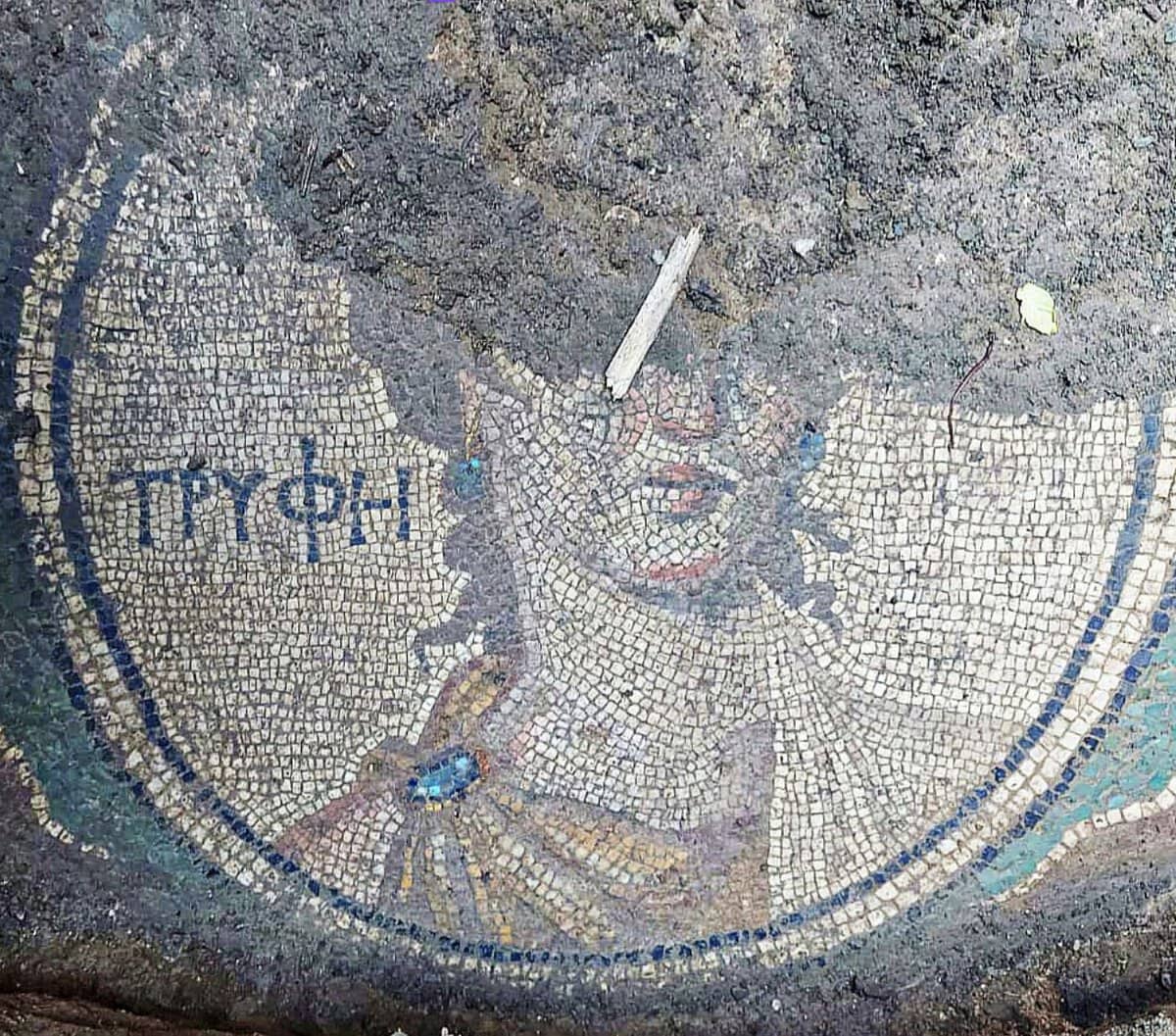
Archaeologists and history enthusiasts are buzzing over a stunning 1,800-year-old Roman mosaic discovered in Turkey’s Tokat province, home to the ancient region of Pontus. The artifact prominently features the Greek word “Tryphē” (τρυφή), evoking themes of luxury, abundance, and refined living from the Hellenistic and Roman worlds.
Discovery Details: Illegal Dig Leads to Major Find
The mosaic came to light in early May 2026 during an unauthorized excavation in a vineyard garden in the Zile district of Tokat. Turkish authorities quickly intervened after reports of the illegal digging, securing the site and launching a professional excavation led by experts from the Tokat Archaeology Museum. Four suspects were detained; some allegedly live-streamed the dig, drawing widespread criticism from the archaeological community.
The partially exposed mosaic, measuring approximately three meters by three meters, was found hidden under sacks. It is now undergoing detailed conservation and analysis.
The Mosaic’s Design and the Meaning of “Tryphē”At the heart of the artwork is a graceful female bust personifying Tryphē, depicted with elegant attire, flowing hair, earrings, and a serene expression. The Greek inscription “ΤΡΥΦΗ” appears clearly beside her, with some reports noting an accompanying reference to “Bios” (life), symbolizing a harmonious blend of luxury and vitality.
Tryphē in ancient Greek culture originally carried nuanced meanings—sometimes critiqued as excess or softness, but later celebrated in the Hellenistic and Roman periods as a marker of elite refinement, prosperity, and sophisticated living. Rulers and wealthy citizens embraced “tryphe” through lavish banquets, ornate architecture, and artistic displays to showcase power and cultural sophistication. The mosaic’s vibrant colors—greens, yellows, blues, and whites—and intricate geometric patterns highlight high-quality Roman craftsmanship. Experts note stylistic similarities to famous works like the “Gypsy Girl” mosaic from Zeugma, suggesting influences from prosperous Greco-Roman centers such as Antioch, Daphne, and Sinope.
Historical Context: Ancient Pontus and Roman Legacy
The find spot lies in a historically rich area. Zile corresponds to ancient Zela, famous for Julius Caesar’s swift victory in 47 BC against Pharnaces II, King of Pontus, inspiring the iconic phrase “Veni, vidi, vici.” Nearby Comana Pontica served as a major religious and commercial hub with its temple to the goddess Ma. This discovery underscores the deep Hellenic cultural influence in Pontus long after the conquests of Alexander the Great. Even under Roman rule, Greek language, art, and ideals of luxury persisted strongly in Anatolia, blending with local and imperial traditions. Similar Tryphē depictions have appeared in mosaics from Sinop and other sites, pointing to a broader artistic tradition across the eastern Mediterranean.
Significance for Archaeology and Cultural Heritage
This Roman mosaic not only enriches our understanding of daily life and aesthetics in ancient Pontus but also highlights ongoing challenges with illicit excavations in Turkey. Authorities emphasize the need for stronger protections to safeguard such irreplaceable heritage. Experts like those from Ondokuz Mayıs University and Tokat Gaziosmanpaşa University are studying the piece for clues about its original context—possibly a villa, public building, or bath complex. Full excavation could reveal more of the design and boost cultural tourism in the region.
Why This Discovery Matters Today
In an era fascinated by ancient civilizations, finds like the Tryphē mosaic bridge the past and present. They remind us of the enduring allure of Greek language and culture across borders, from the vineyards of modern Tokat to the grand halls of antiquity. As conservation continues, this artifact promises further insights into how luxury, art, and identity intertwined in the Roman East.
See more at GlobalGreeks.com